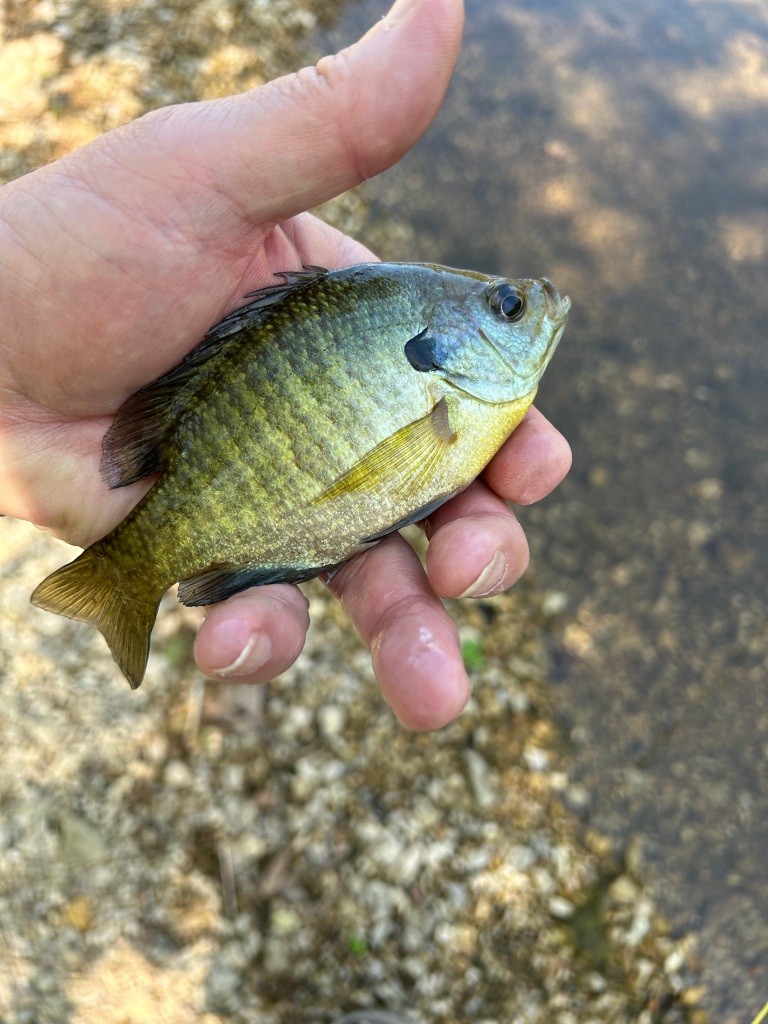
Btw, the sunfish liked this little creation of mine…on a 20.


Btw, the sunfish liked this little creation of mine…on a 20.
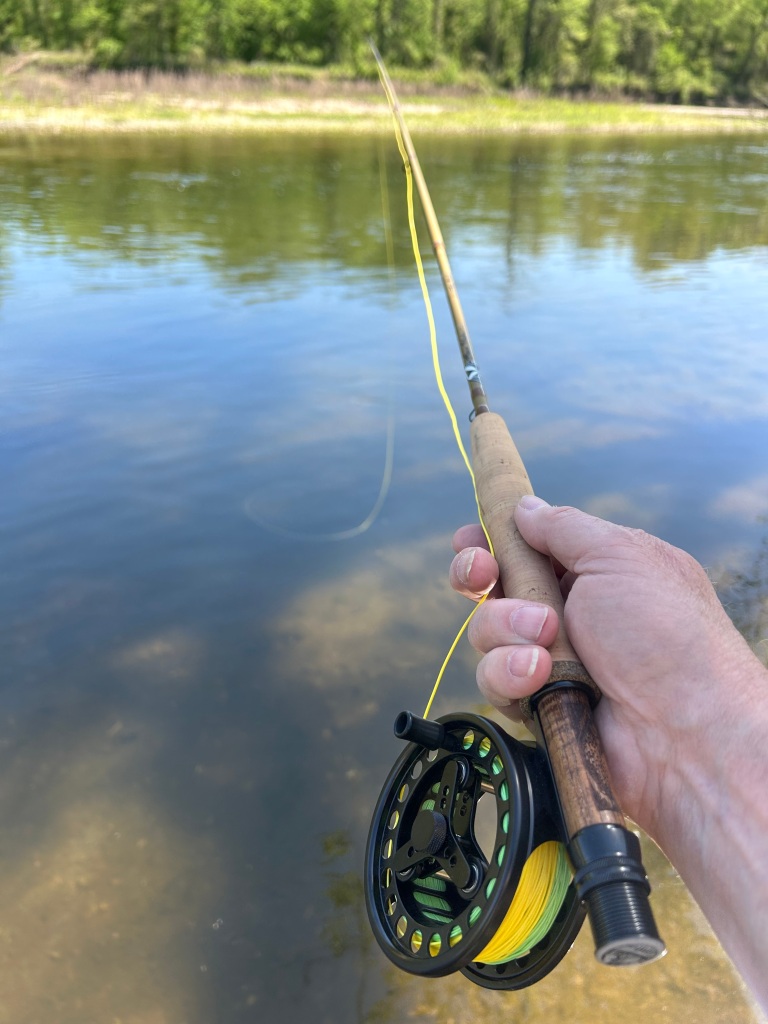
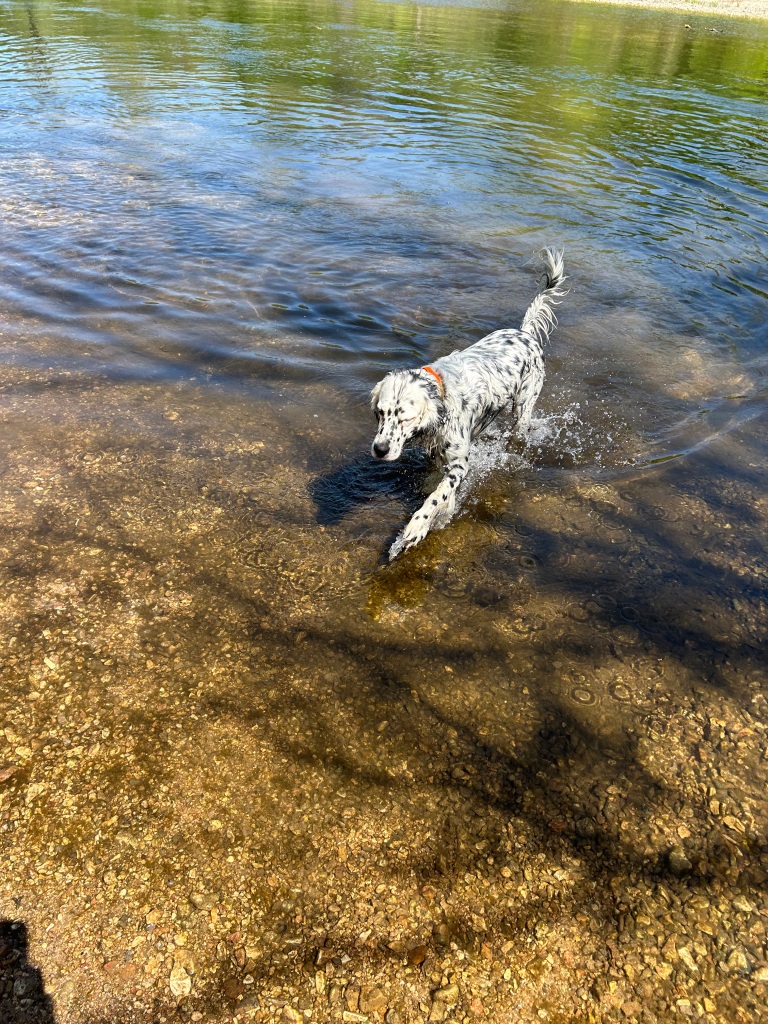
Yesterday, Max and I took a ride to a warm water creek with the JP Ross 3wt. Beaver Meadow and snared a few of these. Sure needed it.
Its been a long time, since I have mentioned EBTJV–a great organization and I encourage folks to contact them and get involved in your area by volunteering for various tasks, such as clean up and the efforts to track populations of these gems. The only native species of trout to eastern waters.
There is some great reading there, as well.
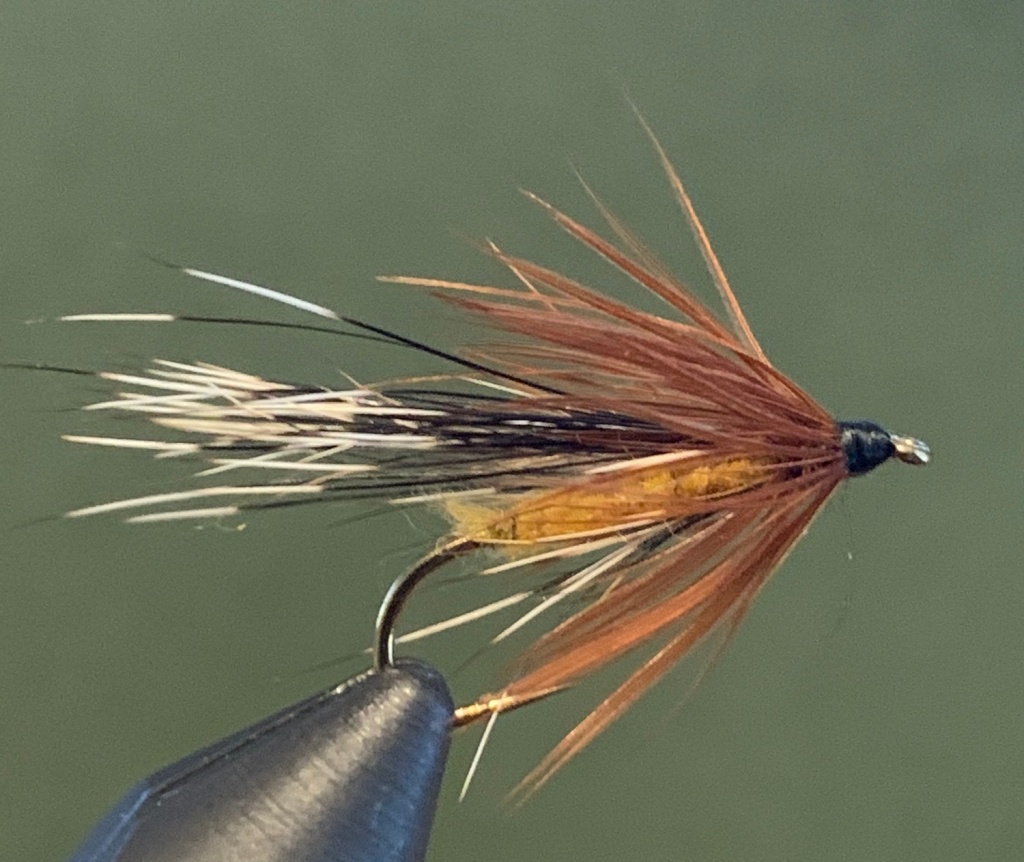
I tied these up for a fly swap. The theme was ‘Caddyshack’ using Woodchuck materials.
Woodchuck is interesting material and new to me.
Size 12 Dry
Golden Yellow super fine dubbing Body
Woodchuck guard hairs and under fur for over and under wing
Hen neck brown collar

I don’t mean to write from a position of power, as though I am expert in anything at all. As a matter of fact, I have worked unknowing and with some ‘success’ I might add, at a comfortable level of mediocrity at all things related to recreating. I’m OK with that and if I might be a bit self-indulgent for a moment; comfortable in my under achiever status. I choose to look at these things through the lens of the philosophical. The birds and fish are better off.
🙂
I love excellence and appreciate it when I see it, but since a small boy–I’ve enjoyed being in the great outdoors for its own sake and am often distracted with my surroundings and own thoughts.
I friend of mine commented recently in the context of how many folks seem to look at some of these activities in field and stream in…
View original post 415 more words
I was looking through some old pictures taken back before smart phones and fancy easy to carry cameras and ran across this picture of my daughter Julie admiring a sunfish she caught. Julie has grown up to be a very adventurous world traveler engaged in many activities. She took after her Dad and I am very proud of her.
The second picture is more recent taken around 2012.


I messed up the rear end. These iPhone cameras sure show up the mistakes.
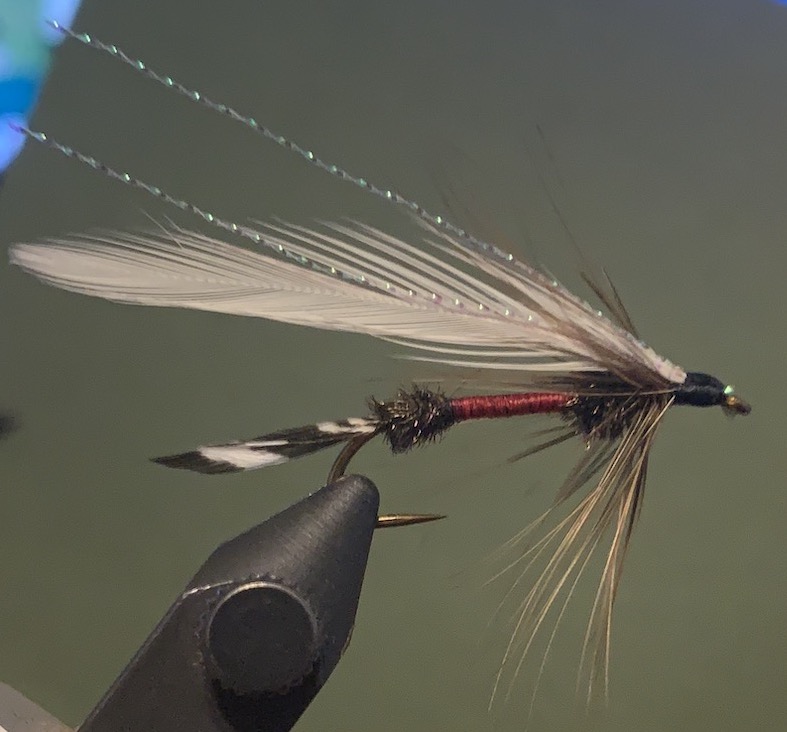
I added just a little flash to this one over the wing.
Just messing around with no plan. Making it up as I go. Its fun and every once in a while ya end up with a good one.
Red thread, ice dub, copper tinsel, Hun, woodduck, and red over white bucktail.

‘The Toad’–check it out. Just click on the link and you will be transported.

On November 17th, 2022, the US Fish and Wildlife Service (USFWS) announced the listing of two distinct population segments (DPS) of lesser prairie chicken – a northern DPS and southern DPS. Over approximately the past 40 years, this iconic bird of the North American Great Plains has lost 90 percent of its habitat to land […]
ESA-Listing of the Lesser Prairie Chicken – A Tenuous Move for Species Recovery — Palouse Upland Media
These are so simple to tie and so effective.
A hook, thread, bead, antron and dubbing. Ya can’t have enough of different colors in your box.
Have a go.
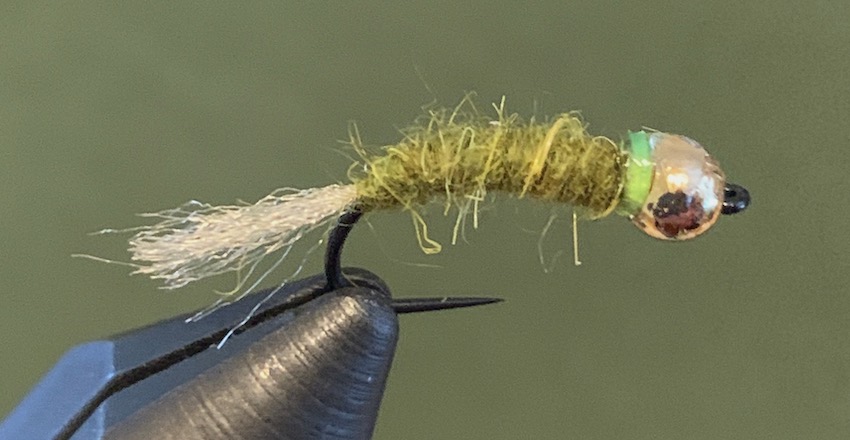
A very simple fly, but one that will catch fish. I learned it from Tom Rosenbauer from one of his videos. Tom says this will work when you cannot tell what trout are feeding on. I really appreciate Tom’s manner.
Tuft n Tail
18 size
Tail: woodduck
Dubbing: olive hare’s ear
Tuft: woodduck fluff
Thread: Flymaster Olive

I started out all relaxed and tying a simple Caddis and things got out of hand.
Not sure what to even call this thing.
Size 16
Black 6/0 waxed thread
Olive Super Fine Dubbing
Tan Darlon wing
Whiting Grizzly hackle
Crystal flash ribbing and a piece left for the wing
A wee dab of UV head resin

Crazy Caddis Gone Wild
This type of fly goes way back to the old days and were tied and fished with only trout in mind, but they will catch any fish in any water just as readily. They look fancy, but are easy to tie. Give them a go.
I learned some of these from Gary Borger’s book on ‘Long Flies’ as well as well as Mary Orvis Marbury’s famous book of flies…”Favorite Flies and Their Histories”.
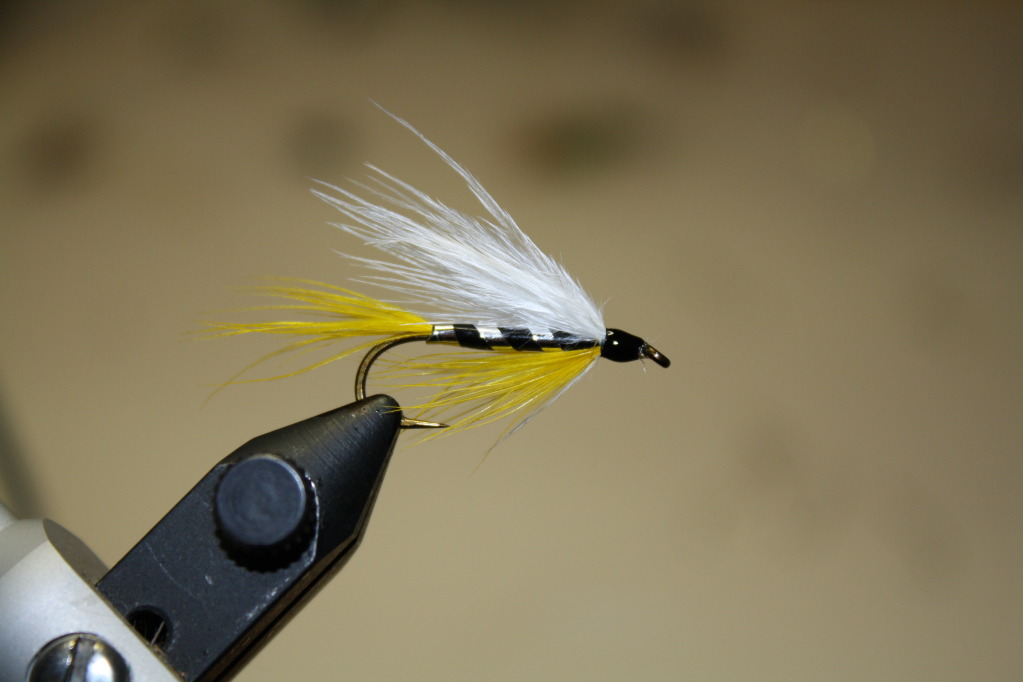


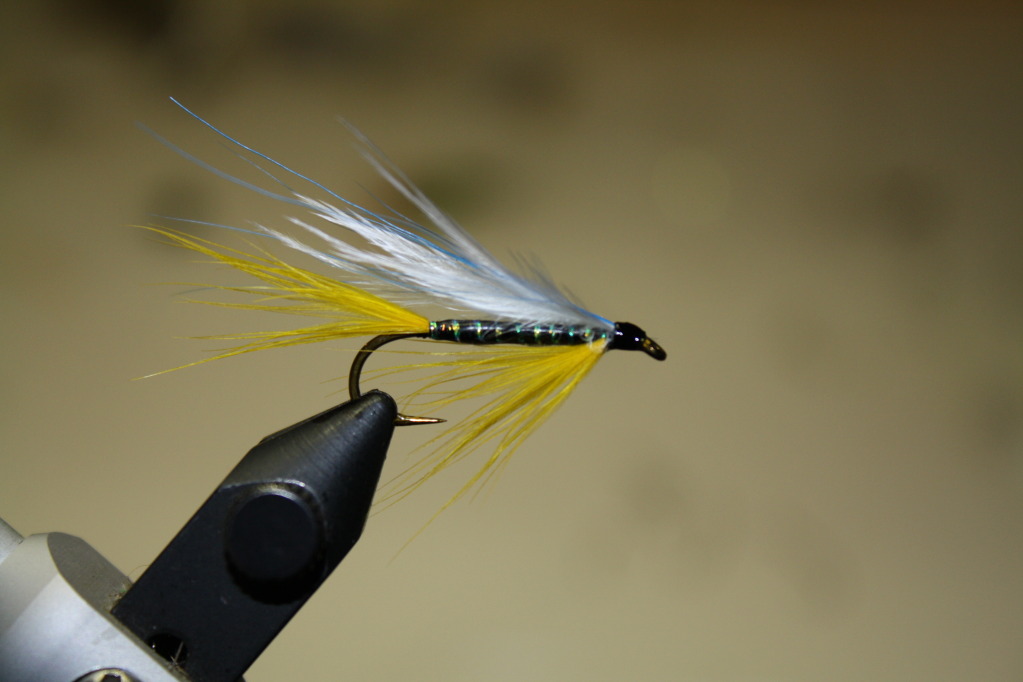
A simple do it all soft hackle wet fly. Swing it and smile.
This basic version is a guaranteed fly to fish in most any water.
12 Dry
Stripped peacock herl
Thorax peacock herl
CDL–Copper Olive Speckled
Black 6/0 Flymaster waxed
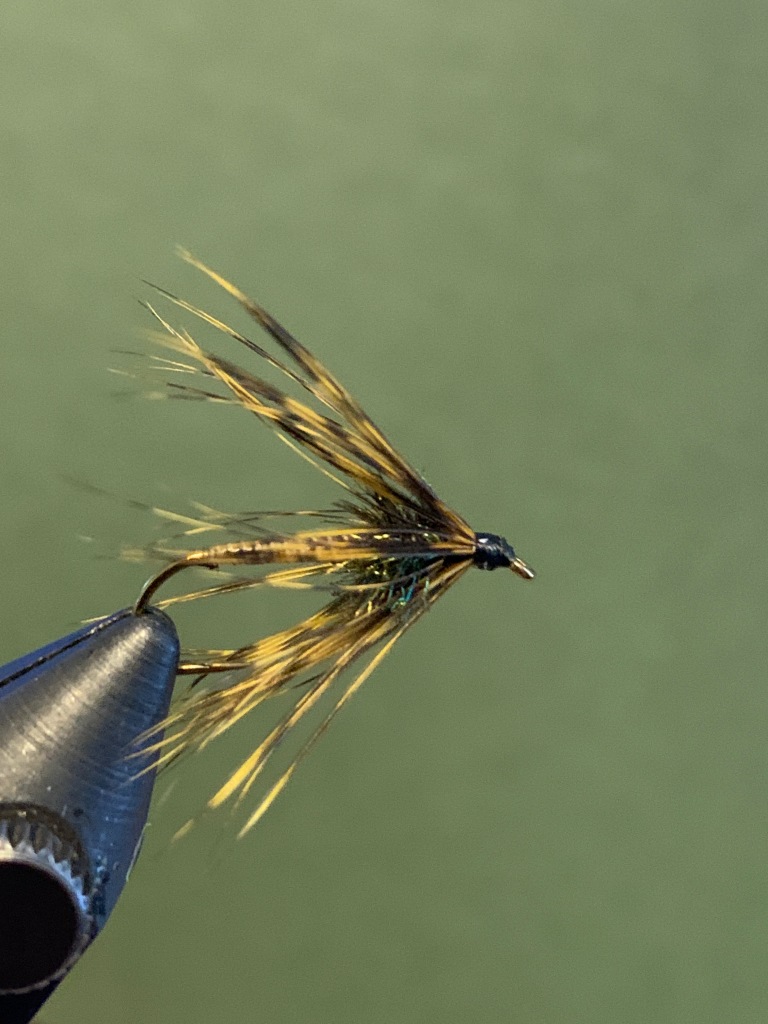
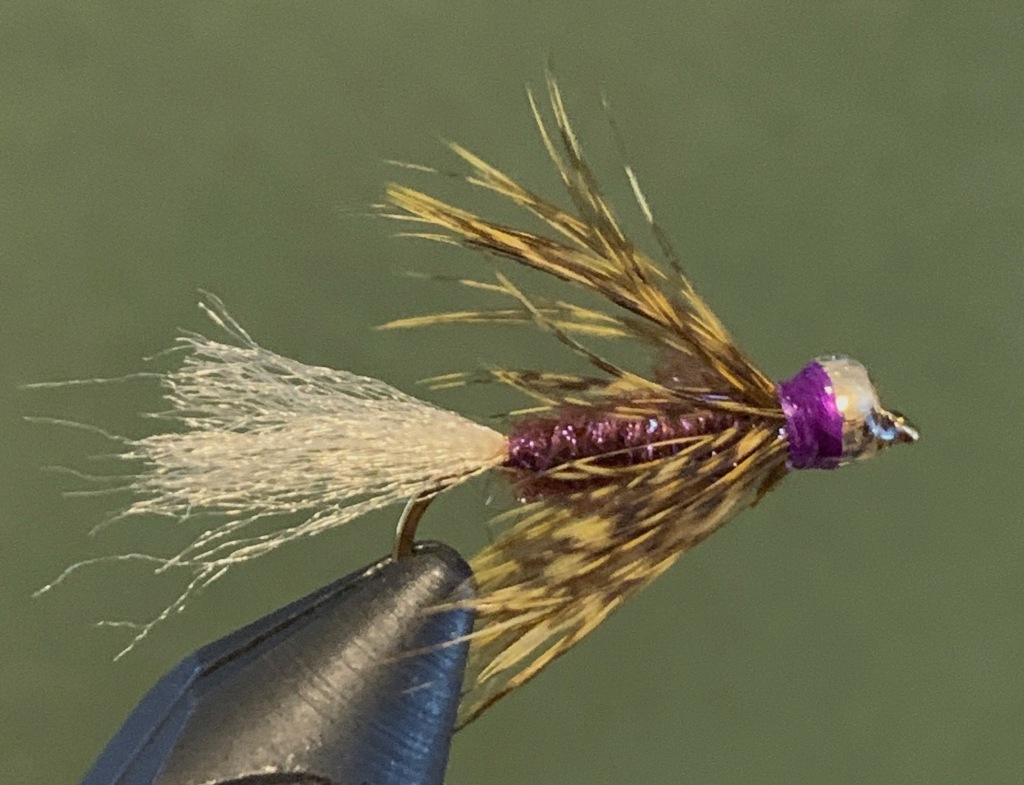
Another version of this world famous fly. LOL
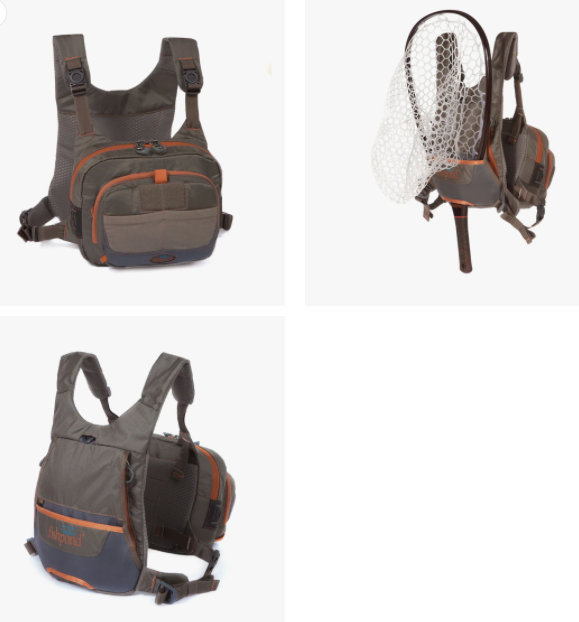
For many years I have fished with a Fishpond ‘Arroyo’ chest pack and it has served me well with no issues at all. I Wished to have a bit more room for water and a light jacket and found this one.
It is just right in this regard and very comfortable. Some folks have a problem with chest packs because they say they impede vision downward. That has not been the case for myself.
A great feature with the Cross-Current is that it integrates with Fishponds backpacks. I suspect that the ‘Ridgeline’ is in my future for those hike-in longer days.








 Of Upland Birds, Setters and Trout